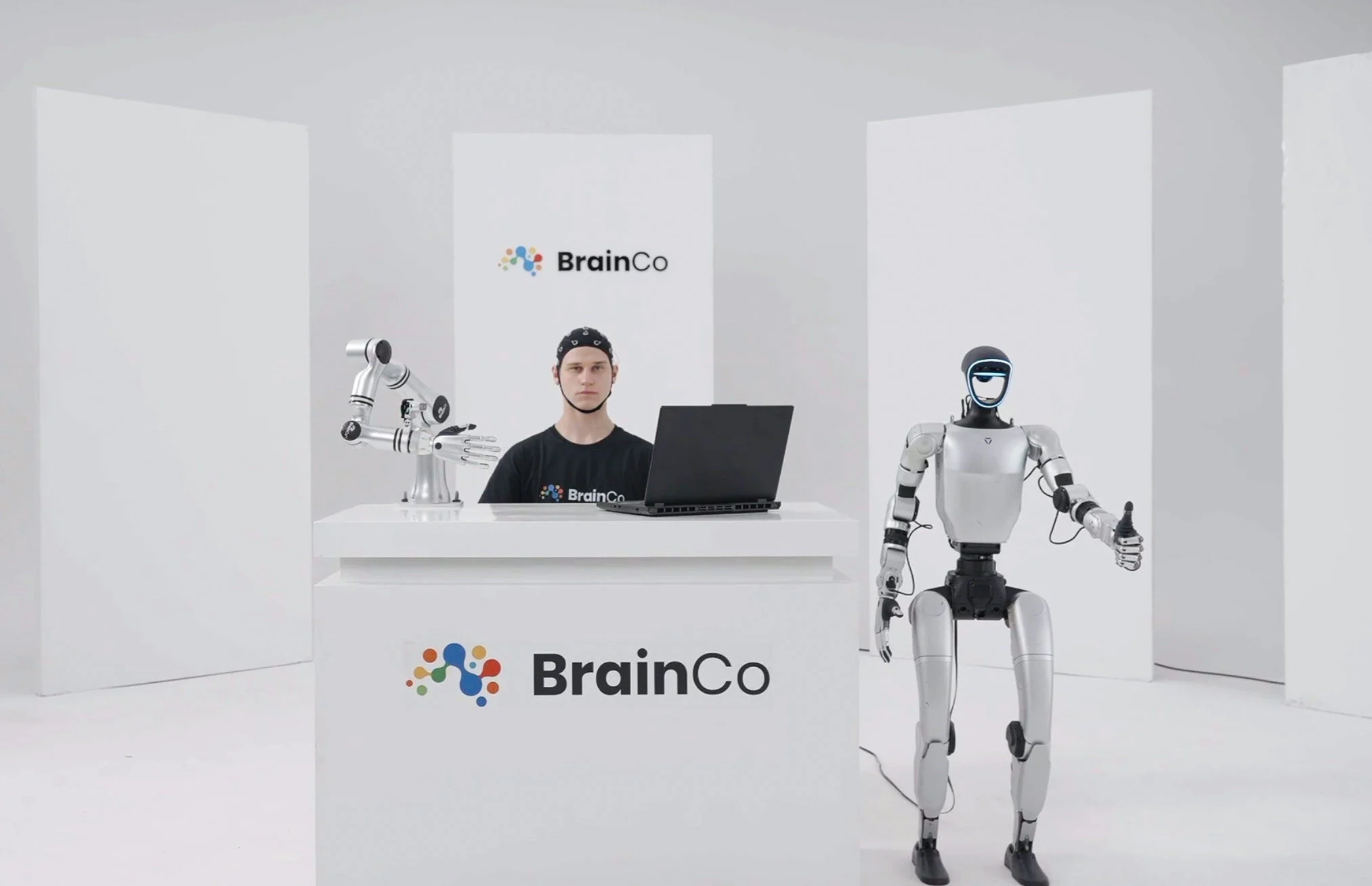
Chinese neurotechnology company BrainCo is exploring a new approach to weight management: using brain-computer interface technology to suppress appetite without relying on medication.
The company is developing a wearable device that its founding partner, Nyx He, described as an “electronic version of GLP-1” weight-loss drugs. The ambition is to influence appetite through brain stimulation rather than pharmaceutical intervention.
Speaking at the Bloomberg Tech London event on November 3, 2026, He said BrainCo aims to bring the product to market within the next two to three years. The company plans to launch in China first, with the possibility of expanding into the United States.
The announcement places BrainCo at the intersection of two rapidly developing markets: neurotechnology and obesity treatment. However, the device remains under development, and the company has not publicly established that it can deliver weight-loss results comparable to existing medications.
How BrainCo's electronic GLP-1 concept is supposed to work
BrainCo's proposed device is based on brain-computer interface (BCI) technology, which enables systems to interact with neural signals.
Unlike conventional weight-loss treatments, which use pharmaceutical compounds to influence biological processes, BrainCo wants to explore whether targeted brain stimulation can influence appetite and eating behavior.
The distinction matters.
The term GLP-1 refers to glucagon-like peptide-1, a hormone involved in regulating blood glucose, appetite and food intake. Medications such as semaglutide, marketed as Wegovy, activate GLP-1 receptors to influence these processes.
According to the US Food and Drug Administration, semaglutide acts on GLP-1 receptors, including receptors in brain regions involved in appetite regulation. It also reduces calorie intake and delays gastric emptying.
BrainCo's proposed wearable, however, is not a GLP-1 medication. There is currently no publicly established evidence that it activates GLP-1 receptors or reproduces the biological effects of these drugs.
The comparison is therefore best understood as a description of the intended outcome: reducing appetite without administering a pharmaceutical GLP-1 drug.
The company has not yet disclosed enough technical information to establish precisely how the device will stimulate the brain, which neural circuits it will target or how consistently it could influence eating behavior.
BrainCo's technology and its competition with Neuralink
BrainCo is not entering neurotechnology as an entirely new player.
The company has developed non-invasive brain-computer interface products, alongside prosthetic hands that use neural signals to help users control artificial limbs.
Its business also extends into robotic hands supplied to China's growing humanoid robotics industry.
This places BrainCo in a different position from Elon Musk's Neuralink, which is developing surgically implanted brain-computer interfaces.
Both companies operate within the broader neurotechnology industry, but their approaches are not interchangeable. BrainCo has historically emphasized non-invasive systems, while Neuralink's best-known technology involves implanted electrodes designed to interface directly with the brain.
The distinction is important because non-invasive and implanted systems face different engineering, clinical and regulatory challenges.
For BrainCo, the proposed appetite-control wearable would represent an expansion of its technology into a particularly competitive consumer health market.
Why the comparison with Wegovy and Zepbound matters
The timing of BrainCo's announcement is significant.
GLP-1-based treatments have transformed the commercial landscape of obesity management. Wegovy, which contains semaglutide, and Zepbound, which contains tirzepatide, have become prominent treatments for weight management.
These medicines work through biological pathways involving appetite regulation and metabolic processes.
Tirzepatide is technically a dual GIP and GLP-1 receptor agonist, while semaglutide is a GLP-1 receptor agonist.
Their effectiveness is supported by clinical evidence and regulatory approvals. BrainCo's proposed wearable has not reached that stage.
If the company can demonstrate that non-invasive brain stimulation produces meaningful and sustained reductions in appetite, it could introduce a different category of weight-management technology.
However, reducing appetite is not the same as reproducing the full effects of a medication. A wearable would need to demonstrate that it can produce measurable health benefits, not simply change how hungry someone feels.
China-first launch, with the US as a potential market
BrainCo plans to introduce the device in China before considering expansion into the United States.
According to Nyx He, the company is targeting a development and commercialization timeline of approximately two to three years.
It is also considering different commercialization approaches, potentially including separate medical and consumer versions.
That distinction could prove important.
A device marketed as a general wellness product may face different requirements from one intended to treat obesity or another medical condition. Its regulatory classification will depend on its intended use, claims and technical characteristics.
The US market could also present additional challenges, including regulatory scrutiny of medical devices and broader concerns surrounding Chinese technology companies.
BrainCo has previously filed confidentially for a Hong Kong initial public offering, according to Bloomberg reporting. He did not disclose further details about the company's listing plans during the interview.
The biggest unanswered questions: Safety, effectiveness and clinical evidence
The most important question is whether BrainCo can turn its concept into a clinically effective product.
At present, the announcement provides a commercial ambition rather than evidence of a proven treatment.
Several questions remain unanswered:
How does it work? BrainCo has not publicly detailed the stimulation method or the specific neural pathways it intends to target.
Does it produce weight loss? There are no publicly established clinical results demonstrating sustained weight reduction from this proposed device.
How safe is it? The potential short- and long-term effects of repeated stimulation for appetite control remain to be established.
Who can use it? It is unclear whether the technology will target people with obesity, people seeking general weight management or a narrower clinical population.
How will it be regulated? The distinction between a consumer wellness device and a medical treatment could determine its path to market.
These questions are particularly important because appetite regulation is a complex biological process. Long-term weight management involves more than suppressing hunger, and an intervention that changes neural activity must demonstrate that its benefits outweigh its risks.
Could electronic appetite suppression become the next frontier in health technology?
BrainCo's proposal reflects a broader shift in technology: moving beyond devices that monitor the human body toward systems designed to influence how it functions.
Wearables have traditionally focused on collecting information about heart rate, sleep, movement and other physiological indicators. Brain-computer interfaces introduce the possibility of interacting with neural activity itself.
That creates opportunities in medicine and rehabilitation, but it also raises difficult questions about safety, effectiveness and the limits of consumer neurotechnology.
BrainCo's electronic GLP-1 concept is an interesting example of that transition. If successful, it could offer an alternative approach to appetite management. But it is too early to describe it as a replacement for established weight-loss medications.
For now, the most significant development is the company's ambition to apply brain-computer interface technology to obesity treatment. Whether that ambition becomes a clinically meaningful product will depend on evidence that has yet to emerge.
The idea is ambitious. The science still has to prove it.