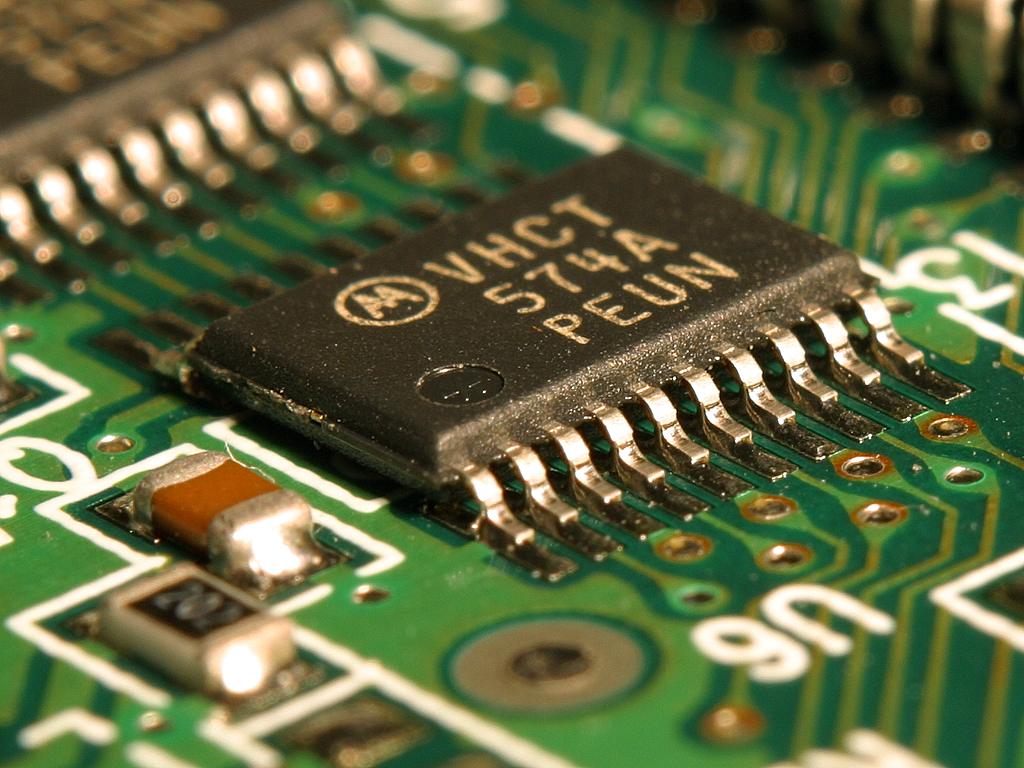
NEW YORK — What happened: Enterprise buyers and consumer device manufacturers are rapidly shifting workloads away from centralized cloud datacenters toward edge computing hardware equipped with specialized neural processing units.
Why it matters: Relying exclusively on massive cloud-hosted language models has proven financially and environmentally unsustainable for high-frequency, low-latency tasks. By moving optimized models directly onto laptops, smartphones, and local industrial gateways, organizations can bypass exorbitant cloud API fees and strict data residency bottlenecks.
Deep dive: The engineering strategy has pivoted from building ever-larger cloud models to mastering model distillation and quantization. Developers are discovering that heavily compressed, parameter-efficient models running on local silicon can match or exceed the utility of massive cloud models for domain-specific tasks. This decentralized approach eliminates network latency and ensures sensitive proprietary data never leaves the local device perimeter, satisfying stringent compliance mandates.
Report check (claims vs what is verified vs still rumor): Hardware makers claim edge NPUs can run any enterprise model locally without performance loss. Verified benchmarks indicate that while local inference excels for specialized tasks, large-scale general reasoning still requires cloud infrastructure. Rumors suggest upcoming mobile chipsets will dedicate over half their silicon die area exclusively to local AI acceleration.
Open questions: How will software developers manage fragmentation across dozens of proprietary local NPU architectures? What happens to cloud provider revenue models if edge processing becomes the default enterprise standard?