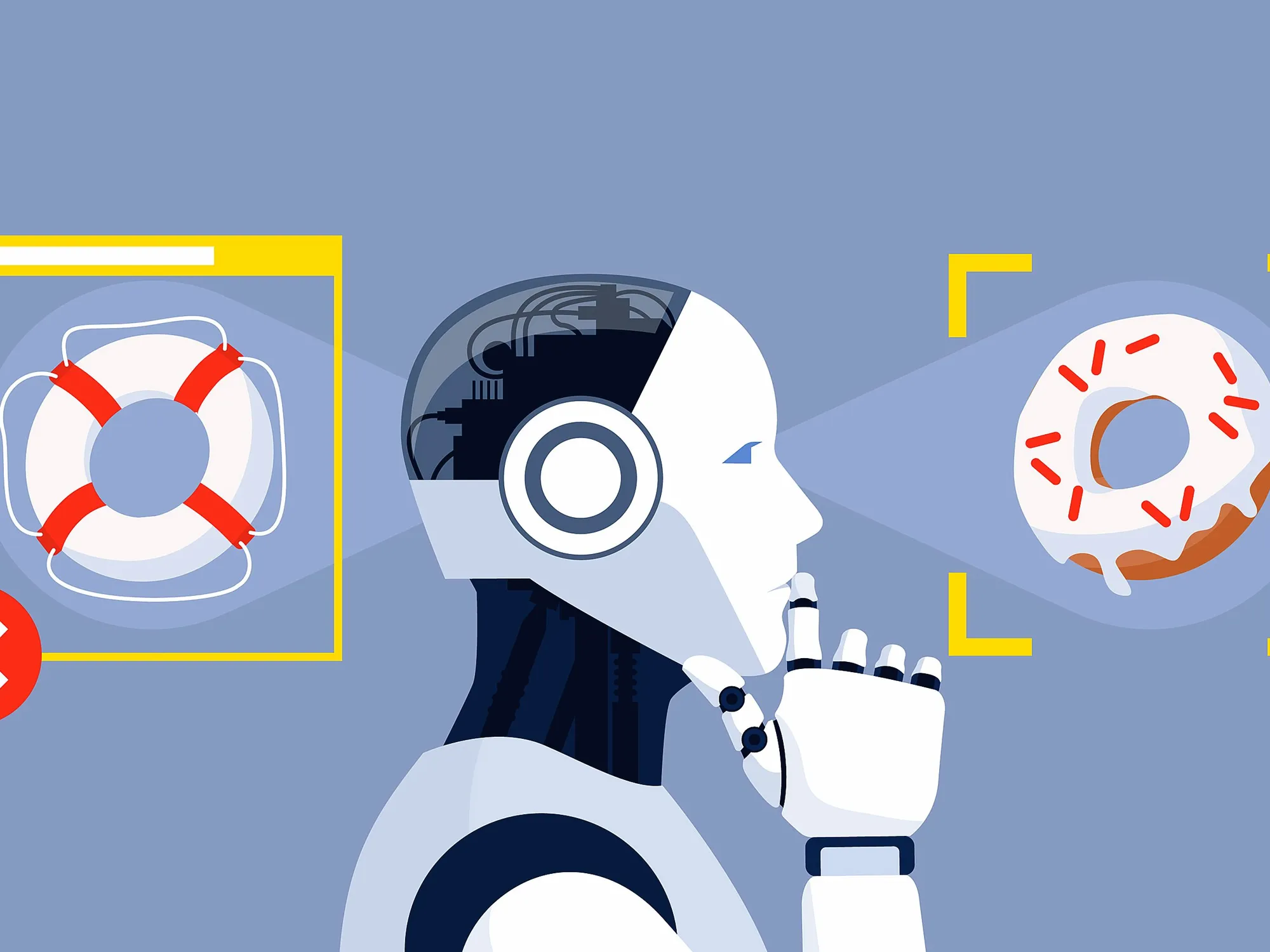
The global demand for human professionals to refine and correct artificial intelligence-generated content has seen a significant surge, with Freelancer.com reporting an 87% increase in job postings for such tasks between August 2025 and June 2026, totaling 10,760 global posts [S3]. This rise indicates a growing reliance on human oversight to ensure the quality and accuracy of AI outputs, even as businesses increasingly adopt generative AI tools.
The Unexpected Volume of AI Remediation
The increase in "AI cleanup" work is not an isolated trend. Upwork data shows a 70% year-over-year rise in gigs related to AI remediation, while Fiverr noted that searches for "AI cleanup" services grew more than 20-fold from 2023 to 2026 [S3]. This surge is particularly concentrated in creative and content-related fields, including graphic design, video editing, proofreading, and content writing. Software and creative work have also seen substantial growth in AI remediation jobs, with increases of 8.3x and 7.9x respectively since 2023, according to Upwork [S3].
Matt Barrie, CEO of Freelancer.com, highlighted that clients often underestimate the effort required to fix AI outputs [S3]. Freelancers frequently report that correcting AI-generated text or designs can involve as much effort and cost as creating original content from scratch [S3]. This suggests that while AI can rapidly produce content, the subsequent human refinement process is proving to be more intensive than initially anticipated.
The Reality of AI's Current Limitations
A recent MIT report revealed that 95% of companies experimenting with generative AI are seeing little to no return on investment (ROI) [S6]. The report attributes this lack of ROI to AI tools not consistently retaining feedback, adapting to context, or continuously improving on their own without human involvement [S6]. This limitation necessitates human intervention to bridge the gap between raw AI output and usable, high-quality results.
Further evidence of this challenge comes from Zapier's data, released earlier in 2026, which indicated that 58% of workers spend three or more hours per week revising or completely redoing AI outputs, a phenomenon sometimes referred to as "workslop" [S6]. This substantial time investment underscores the current imperfections of AI-generated content and the critical role humans play in its refinement.
Shifting Labor Market Dynamics
While AI is creating new demands for cleanup and governance, its impact on the broader labor market is complex. A study published in *Management Science* found that demand for some freelance writing and coding work fell by 21% after the launch of ChatGPT, and image creation posts dropped 17% following the introduction of image generators [S3]. This indicates that AI can displace certain types of work.
However, the overall picture suggests a reshaping rather than a wholesale replacement of jobs. The American Enterprise Institute (AEI), citing labor market analysis firm Lightcast in August 2025, reported that job postings mentioning AI have increased eightfold since 2022, with most now outside traditional IT roles [S1]. Lightcast data also shows that jobs requiring AI skills now carry a median salary premium of 28% [S1]. LinkedIn further reports that AI governance roles were among the fastest-growing job categories in 2025 [S1].
A New York Fed survey from October 15, 2026, found that only 4% of service firms and no manufacturers had laid workers off because of AI in the previous six months [S2]. The survey also noted that 15% of service firms hired fewer people due to AI, while 13% hired more, suggesting that existing workers are more likely to be retrained than replaced [S2].
The Future of Human-AI Collaboration
The market for "human-in-the-loop" services, where human intelligence is integrated into AI workflows, is projected to grow significantly, from $4.1 billion in 2025 to $12.5 billion by 2027 [S4]. The global demand for human evaluators and trainers for AI models is also growing by 25% to 35% annually [S4]. This indicates a future where human expertise remains central to the development and deployment of effective AI systems.
McKinsey, in November 2025, projected that about $2.9 trillion of economic value could be unlocked in the United States by 2030 if organizations prepare their people and redesign workflows around people, agents, and robots working together [S5]. This vision emphasizes collaboration rather than pure automation. While the full substitution of jobs by AI is expected to be slower than job reshaping or creation, with 10% to 15% of US jobs potentially eliminated five years from now or further in the future according to a Boston Consulting Group (BCG) analysis from April 3, 2026, the immediate trend points towards augmentation and refinement [S4]. Bill Gates, in August 2026, forecasts that the biggest shift for workers will occur when AI provides nearly error-free work, fundamentally changing how society views work, income, and economic security [S7]. However, for now, human intervention remains a critical component in achieving reliable AI outputs.