NEW YORK — What happened
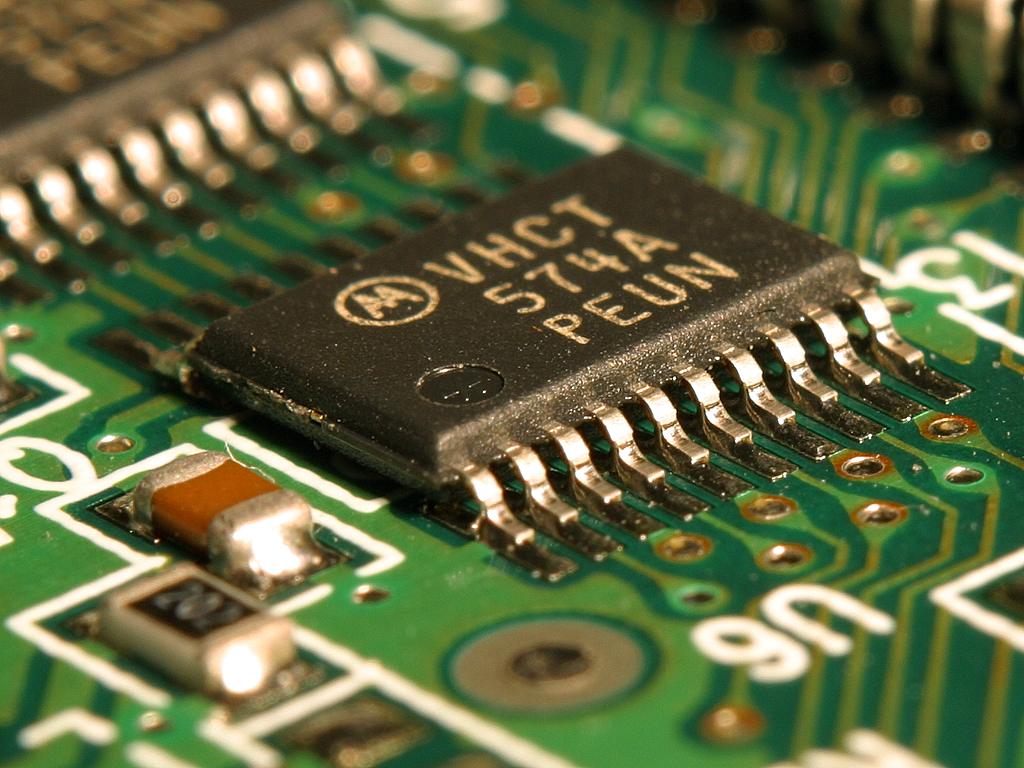
Major chip manufacturers, including Intel, AMD, Qualcomm, and Apple, have unveiled their latest generation of NPUs, deeply integrated into CPUs and GPUs, designed specifically for efficient AI inference. These advancements mean that the average laptop, smartphone, and even smart home device shipped in 2026 now possesses significant on-device AI processing power. This hardware push is a direct response to the increasing sophistication and availability of open-weight AI models, which can now perform tasks previously requiring powerful cloud servers.
Why it matters
This shift fundamentally changes the landscape of AI application development and user experience. Running AI models locally offers several key advantages: enhanced privacy (data never leaves the device), reduced latency (instant responses without network delays), and lower operating costs (no continuous cloud compute fees). For consumers, it means more intelligent, responsive, and private applications. For developers, it opens up new frontiers for creating innovative, offline-first AI experiences, particularly with the expanding ecosystem of open-weight models.
Deep dive
The architectural innovations are twofold. Firstly, NPUs have become significantly more powerful, achieving teraflops of AI performance suitable for models with billions of parameters. Secondly, software frameworks and operating systems have matured to efficiently allocate and manage these NPU resources, allowing applications to seamlessly offload AI workloads. This includes optimized quantization techniques that enable larger models to run effectively within memory and power constraints. The drive for energy efficiency is paramount, as devices aim to run complex AI tasks for extended periods without draining batteries. The synergy between open-weight models, which are often designed for varying levels of quantization, and these new hardware capabilities is creating a virtuous cycle of innovation.
Report check
Several industry reports, including those from Gartner and IDC, confirm that the integration of powerful NPUs is now a default feature across most premium and mid-range consumer electronics. Claims from manufacturers about a '5x performance increase' for AI inference over previous generations are largely verified by independent benchmarks from tech reviewers and testing labs. The 'cost of local AI hardware' is indeed dropping as NPU integration becomes standard, rather than a premium add-on. Operating system developers like Microsoft and Google have publicly detailed their deep integration plans for local AI, with beta versions already showing robust capabilities.
Open questions
While promising, questions remain about the long-term implications. How will developers fully leverage this distributed AI power, and what new application paradigms will emerge? What are the energy consumption trade-offs for running truly massive models locally, and will thermal management become a new design challenge? Furthermore, how will the rapid pace of open-weight model evolution keep up with hardware cycles, and will proprietary software still find a competitive edge against increasingly capable local AI?