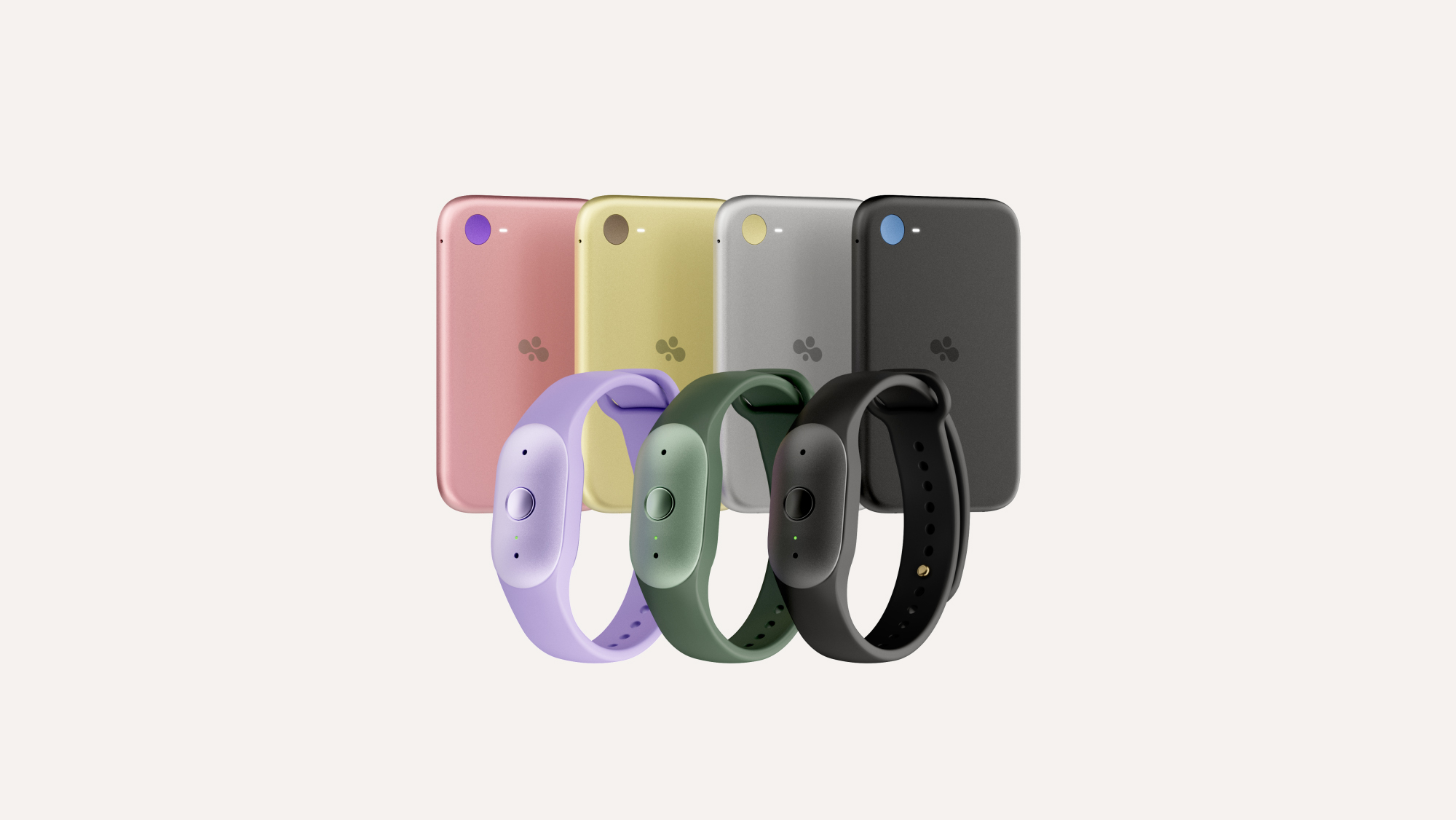
NEW YORK — Amazon has entered the wearable assistant race with two dedicated audio-recording accessories designed to document everyday speech, meetings, and telephone calls. The hardware lineup, dubbed Bee, features the Bee Frontier, a wearable band or clip-on unit, and the Bee Eclipse, an ultra-slim magnetic module engineered to snap directly onto the back of a modern smartphone.
The launch marks an aggressive effort by the Seattle-based retailer to bring artificial intelligence deeper into personal conversations. Instead of asking customers to speak deliberate commands to a tabletop speaker or virtual assistant, the Bee devices are designed to listen continuously once toggled on, transforming spoken dialogue into structured meeting notes, reminders, drafts, and calendar entries.
At the center of the hardware capability is the Bee Eclipse, priced at $99.99. Measuring roughly the size and thickness of a credit card, the device mounts to the rear chassis of a phone and integrates a specialized vibration microphone alongside an array of four ambient microphones. The vibration sensor captures acoustic resonance directly through the handset, allowing the hardware to register the voice of an interlocutor on the other end of a cellular or web call. The remaining microphones pick up the wearer and anyone speaking in the immediate vicinity.
The companion model, the $74.99 Bee Frontier, takes the shape of a silicone wristband or clip-on capsule with an IP67 water-resistance rating and up to seven days of battery life between charges. The Eclipse, unburdened by a display, promises battery performance exceeding 21 days on a single charge.
Both devices rely on real-time processing to convert audio into text. According to Amazon technical documentation, raw voice data is transmitted to an isolated execution layer the company terms Bee Private Compute. Amazon states that speech recordings are deleted immediately following transcription and summarization, and that customer transcripts are locked using encryption keys held on the user's primary mobile device. In company disclosures, Amazon maintains that no human workers or automated systems within the company can inspect raw voice captures.
Summaries, task lists, and calendar recommendations generate within minutes and surface in the companion Bee mobile and desktop applications. For everyday organization, the platform can link with external services such as Gmail, Google Calendar, and Microsoft Outlook, preparing automated email replies or scheduled appointments derived from recorded talks.
Amazon is also pairing the devices with its broader consumer ecosystem. An optional Bee Pro tier, priced between $11.99 and $12 per month, expands storage beyond the free tier's 14-day limit to offer unlimited memory retention. The paid subscription unlocks suggested to-do items and links directly to Alexa+ alongside Amazon.com shopping engines, generating product suggestions when items are mentioned in passing conversation.
That continuous capture architecture has prompted concern from privacy researchers and independent software auditors. While the Eclipse requires a physical button press to engage its microphones, critics emphasize that recording ambient environments presents distinct ethical and legal challenges compared to traditional computer input.
When a user initiates call recording on the Eclipse, Amazon states the companion app displays an on-screen prompt advising the owner to inform other callers that the conversation is being recorded. Former Amazon Web Services security engineer Jeff Williams observed in an analysis published by SiliconAngle that this alert remains purely client-side. The device does not inject an automated audible notification into the telephone channel. The obligation to give notice rests entirely with the user, leaving other participants unaware unless verbally notified by the wearer.
Bystanders in public spaces face similar hurdles. Both the Frontier and the Eclipse incorporate physical activation buttons and miniature light indicators intended to signal when the microphones are hot. However, critics point out that miniature lights are easy to conceal beneath lapels, sleeves, or natural hand placement. Even when illuminated, an unfamiliar glowing diode offers little context to an unwitting bystander who does not recognize the branding.
A similar issue arose during regulatory reviews of Meta's smart glasses, where European data protection authorities found subtle recording lights were easily missed and proved inadequate to guarantee informed bystander consent. In reporting by Indiatoday, privacy observers warned that miniature consumer wearables risk normalizing passive surveillance in everyday social interactions without reliable mutual knowledge.
Questions about third-party voice retention remain central to the debate. While Amazon's security protocol guards the account holder's personal archive behind device-bound encryption keys, non-consenting participants have no technical mechanism to inspect, edit, or purge their spoken remarks from the resulting text transcript stored on the wearer's phone. Once translated into a written memo or uploaded into connected third-party mail accounts, those statements become permanent records outside the original speaker's control.
Consumer rights groups also view Amazon's privacy guarantees against the backdrop of past regulatory disputes. In prior years, Amazon resolved federal and state inquiries regarding audio retention on its Echo smart speakers, eventually settling claims related to child privacy protections and microphone logging. Williams noted that Amazon has revised customer data options in the past, including the quiet phase-out of certain voice-logging opt-out settings on legacy Echo hardware.
Public reaction among consumer tech forums remains mixed. Some early adopters praise the hardware as a compelling alternative to manual transcription apps, particularly for professionals who spend hours conducting phone interviews or field meetings. Others allege the devices are primarily designed to funnel personal consumer data into Amazon's retail infrastructure through automated buying recommendations.
Amazon is not the only company attempting to capture ambient workplace conversation. Startups such as Plaud have found modest traction with ultra-thin pocket voice recorders, and Meta continues to develop audio-enabled eyewear alongside prototype pendant accessories. Whether dedicated pocket transcription devices can achieve mass adoption alongside standard smartphones remains unknown.
Industry analysts note that consumer appetite for hardware that records routine life has historically been unpredictable, often constrained by public wariness and workplace bans. Tech analysts at PCMag have raised questions about whether corporate offices will permit devices with vibration microphones to attend sensitive board meetings and sales negotiations.
It is also unconfirmed whether Amazon plans to introduce software features capable of separating or filtering third-party voices automatically, an option suggested by independent security specialists to safeguard accidental eavesdropping. For now, the Bee lineup enters retail channels as a test case for how much conversational tracking consumers are willing to carry, and how much recording the people around them will tolerate.